

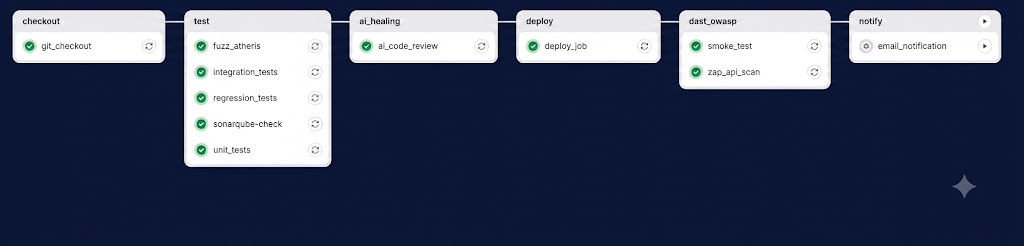

CI/CD Caching: Both Solution and Problem
According to Gemini, Caching is the temporary storage of frequently used data in a fast, easy-to-reach location—such as CPU memory, RAM, or a local browser
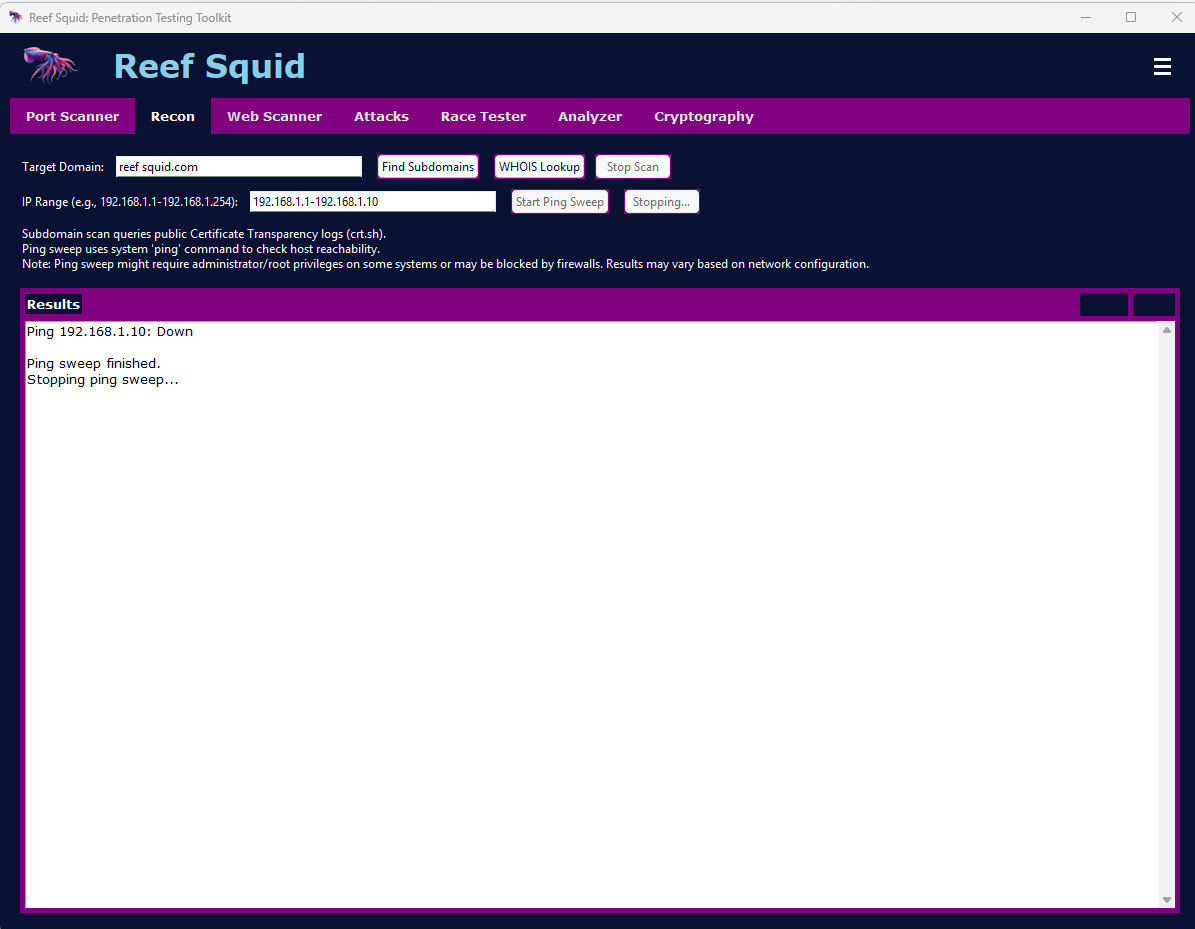
Reconnaissance
Function: Reveals internal IP addresses and access patterns. When misconfigured, SquidTest allows an attacker to pivot and perform initial network mapping against internal targets that are otherwise inaccessible.
Web Scanner
Function: Scans for common vulnerabilities (e.g., XSS, SQLi) by analyzing the requests funneled through the proxy.
Race Tester
Function: Executes high-speed, simultaneous requests to force and exploit race conditions and business logic flaws.
Network Analyzer
Function: Provides traffic logging for network flow monitoring and segmentation testing.
Cryptography
Function: Decrypts and allows inspection/modification of encrypted HTTPS traffic for security auditing.
Attacks
Function: Used to deliver and modify payloads (e.g., injection attacks)
Incident Response (IR) software provides a centralized platform for security teams to manage and respond to cybersecurity threats like data breaches and malware attacks.
Think of it as the command center for a digital emergency. When a security alarm (like an alert from an IDPS) goes off, this software helps the team:
Organize: It logs the incident and tracks all related activity in one place.
Automate: It can automatically run predefined “playbooks” to handle common tasks, such as isolating an infected machine from the network or sending alerts to the right people.
Collaborate: It provides a central workspace for security analysts, IT, and legal teams to communicate and coordinate their response.
Resolve: It guides the team through the steps of containing the threat, eradicating it, and recovering normal operations.
Report: It documents every action taken, which is critical for post-incident analysis and for proving compliance with regulations.
Intrusion Detection (IDS): This part watches all the activity and identifies a potential threat, like spotting a burglar picking a lock. It then sounds an alarm for a security administrator to investigate.
Intrusion Prevention (IPS): This is the active part. Once the alarm is sounded, the IPS takes immediate, automatic action to stop the threat, such as blocking the burglar’s entry, locking the door, and blocking their access.
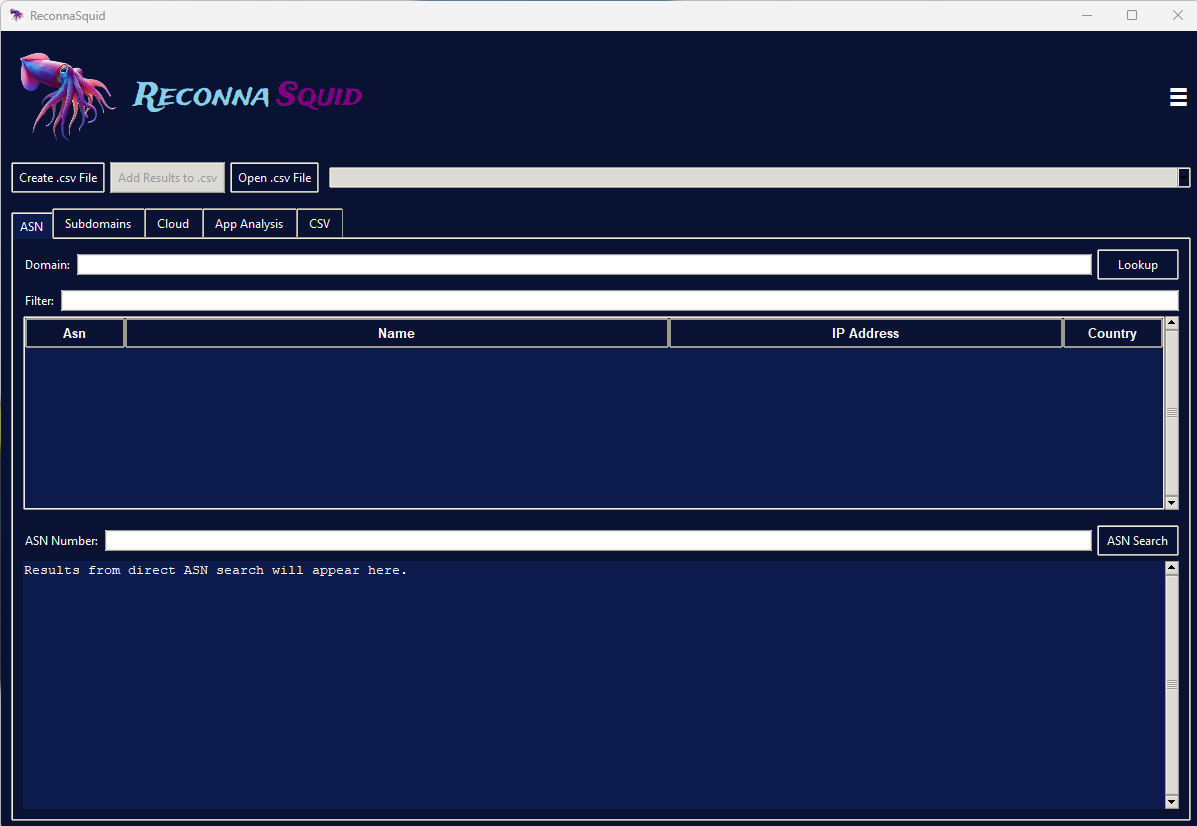
Reconnaissance is the initial phase of a cybersecurity assessment where an attacker or security team gathers information about a target to map its attack surface.
Autonomous System Numbers (ASNs):
Function: An ASN is a unique global identifier for a network or group of IP networks operated by a single entity (like a large corporation or ISP).
Reconnaissance Value: Checking a target’s ASN helps map its entire network presence and discover IP address ranges and infrastructure they own, which might contain unknown assets.
Cloud (Infrastructure Discovery):
Function: Identifying which assets are hosted on major public cloud providers (AWS, Azure, GCP, etc.).
Reconnaissance Value: This helps an attacker understand the target’s technology stack and potential misconfigurations in cloud services like exposed storage buckets or poorly secured cloud-specific APIs.
Subdomains:
Function: Discovering all subdomains associated with a target’s root domain.
Reconnaissance Value: Subdomains often host older, forgotten, or less-secured applications (known as “shadow IT”) which can serve as easy entry points for a primary attack.
App Analysis (Web Application Analysis):
Function: Analyzing live web applications found on subdomains and IPs to identify their technology stack (web server, framework, language), version numbers, and directory structure.
Reconnaissance Value: Revealing outdated software versions or exposed configuration files can quickly point to known vulnerabilities and potential attack vectors like Cross-Site Scripting (XSS) or SQL Injection.

According to Gemini, Caching is the temporary storage of frequently used data in a fast, easy-to-reach location—such as CPU memory, RAM, or a local browser

Finding the sweet spot for tire pressures is one of the most critical engineering challenges in Formula 1. At a historic and punishing circuit like

Note: This article is free of AI editing. F1 as I know It I’ve been seeing and hearing a great deal about Formula one Racing

I’m not going to bore you with who I am. Just know that I’ve been at this software development thing for 11 years now and

Warning: AI was NOT used in the writing of this blog post. Denial Denial occurs when an Engineer never actually attempted to use AI to

by Peter Mavronicolas Abstract The Dispilio Tablet, discovered in a Neolithic lakeside settlement in Northern Greece, is a wooden artifact bearing incised markings. Traditionally, research
What are you looking for?